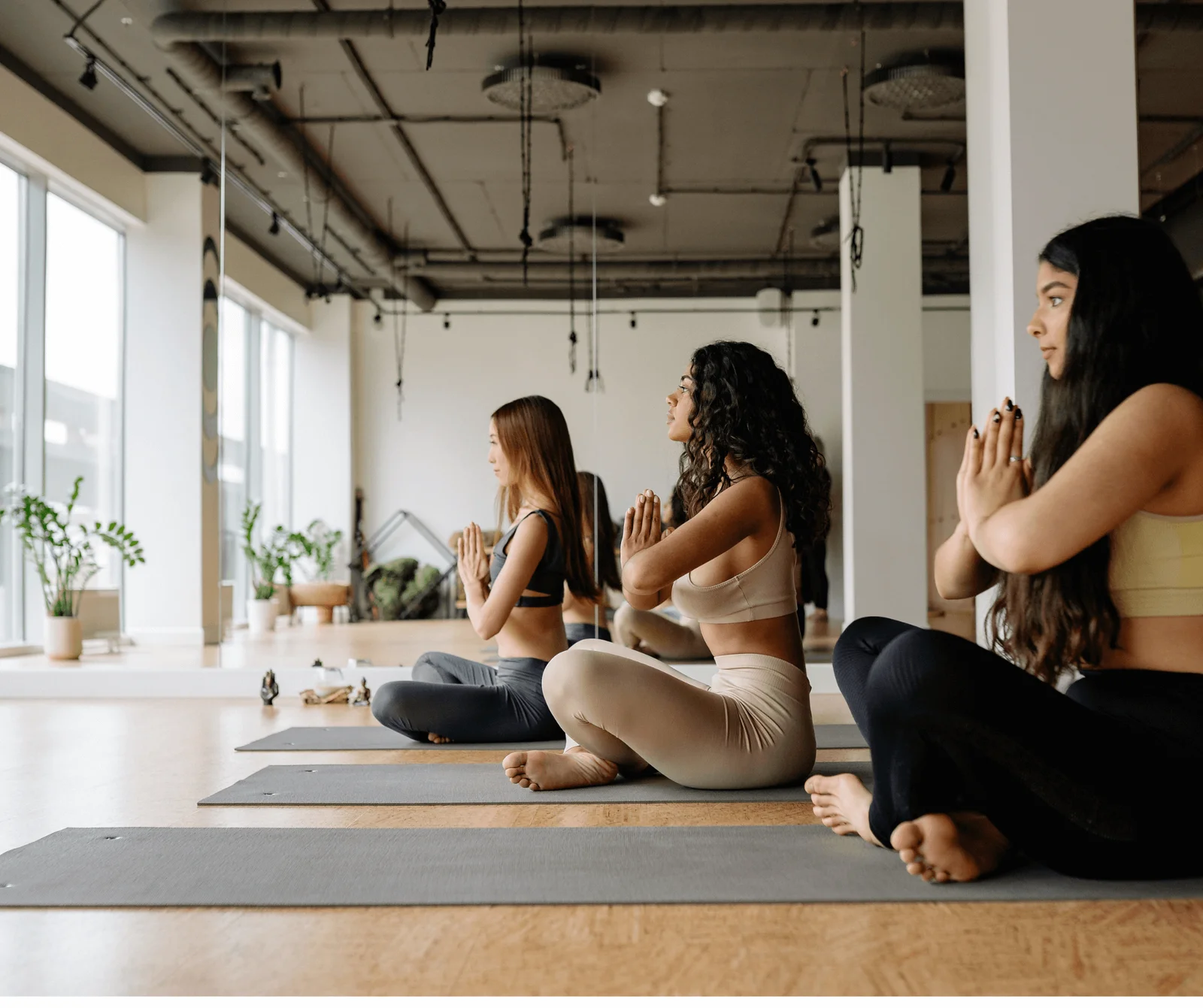

Modern life can feel incredibly loud.
Many women are carrying emotional pressure, mental overload, family responsibilities, work stress, financial concerns, poor sleep, and the constant feeling of needing to keep going even when their nervous system is asking for rest. Anxiety has quietly become part of daily life for so many people, often showing up as tension, overwhelm, exhaustion, racing thoughts, or the inability to truly switch off.
Sometimes anxiety is obvious. Sometimes it hides beneath busyness, overthinking, irritability, people pleasing, perfectionism, or emotional exhaustion.
The good news is that the body and nervous system are designed to move back towards balance when we begin offering gentle, consistent support. Natural approaches to calming anxiety can help create safety in the body again, allowing the mind to feel quieter, calmer, and more grounded over time.
In this article, we’ll explore why anxiety has become so common, how it affects the nervous system, and some gentle natural ways to calm anxiety and emotional overwhelm in everyday life.
Why So Many Women Feel Anxious and Overwhelmed
We live in a world of constant stimulation.
Many women move through the day without any real pause for rest, emotional processing, silence, or nervous system recovery. Phones rarely stop. Social media keeps the brain alert and stimulated. Work follows us home. Many people are caring for others while neglecting their own wellbeing.
Over time, the nervous system can begin to stay in a prolonged state of stress response.
This can create emotional and physical exhaustion, even if life appears “manageable” on the surface.
Poor sleep, emotional pressure, information overload, lack of boundaries, unresolved stress, hormonal shifts, grief, trauma, loneliness, burnout, and chronic busyness can all contribute to anxiety and nervous system dysregulation.

Signs Your Nervous System May Be Overwhelmed
• Racing thoughts
• Shallow breathing
• Feeling constantly “on edge”
• Irritability or emotional sensitivity
• Difficulty concentrating
• Poor sleep or waking through the night
• Fatigue and emotional exhaustion
• Digestive discomfort
• Feeling unable to switch off
• Increased overwhelm in busy environments
• Feeling emotionally reactive or tearful
Many women assume they simply need to “push through”, when in reality the nervous system is asking for regulation, safety, rest, and support.
How Anxiety Affects the Body and Nervous System
Anxiety is not “just in the mind.”
When the brain senses stress or threat, the nervous system activates the body’s fight or flight response. Stress hormones such as adrenaline and cortisol are released to help the body respond quickly.
This response is designed to protect us in moments of danger.
The problem is that modern stress is often constant and ongoing. Emails, financial worries, emotional stress, lack of rest, social pressure, and overstimulation can keep the nervous system activated for long periods of time.
When this happens, the body may struggle to return fully to a calm and regulated state.
This can lead to symptoms such as:
• Muscle tension
• Increased heart rate
• Tight chest
• Digestive issues
• Difficulty sleeping
• Fatigue
• Brain fog
• Emotional overwhelm
• Panic symptoms
• Heightened sensitivity to stress
Understanding anxiety through the lens of the nervous system can help remove shame and self criticism. Your body is not failing you. It may simply be overwhelmed and trying to protect you.
Gentle Natural Ways to Calm Anxiety
Natural anxiety support is often about helping the body feel safe again. Small, gentle daily practices can slowly begin calming the stress response and supporting emotional regulation over time.
Mindfulness and Grounding
Mindfulness does not have to mean sitting silently for an hour meditating perfectly.
Sometimes mindfulness is simply slowing down enough to reconnect with the present moment.
Anxiety often pulls the mind into the future, imagining worst case scenarios, overthinking, or mentally rehearsing problems. Grounding practices help bring attention back into the body and the present moment.
Simple grounding techniques include:
• Slowing your breathing
• Looking around and noticing your environment
• Naming 5 things you can see
• Stepping outside into natural light
• Feeling your feet on the floor
• Drinking a warm drink slowly and mindfully
• Reducing noise and stimulation for a short period
Even a few quiet minutes can begin calming an overstimulated nervous system.

Quick Calm Tips for Anxiety
• Slow your exhale
• Reduce overstimulation where possible
• Step outside into fresh air and natural light
• Avoid constant scrolling before bed
• Focus on one task at a time
• Allow yourself moments of quiet during the day
• Drink water slowly and mindfully
• Listen to calming audio or gentle music
Practices like mindfulness, meditation, and grounding can become powerful daily tools for emotional wellbeing and nervous system regulation.
Breathwork for Anxiety
Breathing patterns change when we feel anxious.
Many people begin breathing shallowly and rapidly without even realising it, which can keep the body in a heightened stress state.
Slow, intentional breathing sends signals of safety to the nervous system and can help reduce feelings of panic, overwhelm, and physical tension.
One of the simplest ways to calm anxiety naturally is to lengthen the exhale.
Simple Breathing Practice
• Inhale gently for 4
• Exhale slowly for 6
• Repeat slowly for several minutes
Longer exhales help activate the body’s calming parasympathetic nervous system.
Breathwork can be particularly supportive before sleep, during moments of stress, or when feeling emotionally overwhelmed.
Gentle breathing exercises, guided relaxation, and nervous system calming practices can also become valuable daily rituals rather than something only used during crisis moments.
Relaxation and Sleep Support
Sleep and anxiety are deeply connected.
When sleep is disrupted, the nervous system becomes more reactive and emotionally sensitive. At the same time, anxiety itself can make it harder to rest deeply.
Many women describe feeling exhausted but unable to switch off mentally at night.
Creating gentle evening routines can help support nervous system recovery and improve emotional resilience over time.
Helpful practices may include:
• Reducing screen time before bed
• Lowering stimulation in the evening
• Listening to calming audio
• Journalling racing thoughts
• Gentle stretching or relaxation
• Magnesium rich foods
• Consistent sleep and waking times
• Soft lighting and calming environments
Rest is not laziness. It is essential nervous system repair.
Supporting sleep gently and consistently can have a profound impact on anxiety levels, emotional balance, and overall wellbeing.
EFT and Emotional Regulation
EFT (Emotional Freedom Technique), often known as tapping, is becoming increasingly popular as a gentle emotional regulation tool.
It combines focused attention with tapping on acupressure points on the body to help calm the stress response.
Many people find EFT supportive for:
• Anxiety
• Emotional overwhelm
• Stress
• Panic symptoms
• Fear and worry
• Sleep difficulties
• Emotional regulation
The process can help interrupt spiralling thoughts while also calming the body physically.
For many women, EFT feels approachable because it combines emotional support with physical grounding and nervous system calming.
Finding Wellbeing Support
Sometimes anxiety support is not something we need to navigate alone. Across the Uk and Ireland there is growing awareness around holistic wellbeing, nervous system support, mindfulness, emotional health, and gentle therapeutic approaches.
Support may include:
• Counselling and psychotherapy
• Hypnotherapy
• Mindfulness support
• Breathwork and meditation
• EFT and emotional regulation work
• Sleep support
• Nervous system focused wellbeing practices
• Holistic wellbeing therapies
Communities and supportive spaces can also make a huge difference. Feeling emotionally supported, connected, and understood can help reduce feelings of isolation and overwhelm.
The The Wellbeing Directory connects people with wellbeing practitioners and support services, while The Busy Women Club offers community support, wellbeing conversations, and gentle encouragement for women navigating busy modern lives.
You can also explore calming wellbeing content, mindfulness support, relaxation practices, and emotional wellbeing discussions through the YouTube channel and the Sleep To Heal Substack.
Final Thoughts
Anxiety is incredibly common, especially in a world that rarely encourages true rest.
But small, gentle, consistent practices can begin helping the nervous system feel calmer and safer again. Healing does not always happen through dramatic change. Often it happens quietly through tiny moments of care repeated consistently over time.
A slower breath. A quiet walk.
A moment of stillness. An earlier night.
A supportive conversation. A few mindful minutes in the middle of a difficult day.
You do not need to fix everything overnight.
If you are looking for gentle wellbeing support, calming practices, or therapists who understand emotional overwhelm and nervous system health, explore the The Wellbeing Directory, join the Busy Women Club community, follow us on YouTube for more Wellbeing advice and Community support, or begin with one small calming practice today.